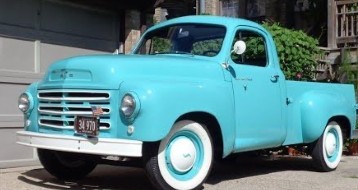
Why Classic Car Brakes Need Attention
Classic cars often have drum brakes, single-circuit systems, and decades-old rubber hoses. While adequate when new, these systems degrade over time and don't match modern stopping power. Recognizing the warning signs early can prevent dangerous failures.
1. Spongy or Low Brake Pedal
A brake pedal that sinks to the floor or feels soft usually means air in the lines, a failing master cylinder, or a fluid leak. Any of these require immediate attention.
2. Pulling to One Side
If the car pulls left or right when braking, you may have a stuck caliper, a collapsed hose, or unevenly adjusted drum brakes. This is unpredictable and dangerous.
3. Grinding or Squealing Noises
Grinding means metal-on-metal—your brake pads or shoes are gone. Squealing can indicate glazed pads or worn hardware. Both mean it's time for inspection.
4. Excessive Pedal Travel
If you have to pump the brakes to get a firm pedal, the system has a leak or the master cylinder is failing internally.
5. Visible Fluid Leaks
Brake fluid on the inside of the wheels or under the car means a leaking wheel cylinder, caliper, or hose. Brake fluid loss leads to total brake failure.
How often should classic car brakes be serviced?
Even if not driven much, rubber components degrade every 10–15 years. A full inspection every 5 years is wise.
Can I upgrade my classic car's brakes?
Yes. Disc brake conversions and dual-circuit master cylinders are popular upgrades that dramatically improve safety.
What does a brake overhaul cost?
A full brake system overhaul on a classic car typically ranges from $1,500 to $4,000 depending on parts and whether you upgrade to disc brakes.
If your classic car is showing any of these signs, don't wait. Call Studebaker Restoration, Ltd. at (562) 676-4460 or visit us at 1408 Santa Fe Ave, Long Beach, CA for a brake inspection.